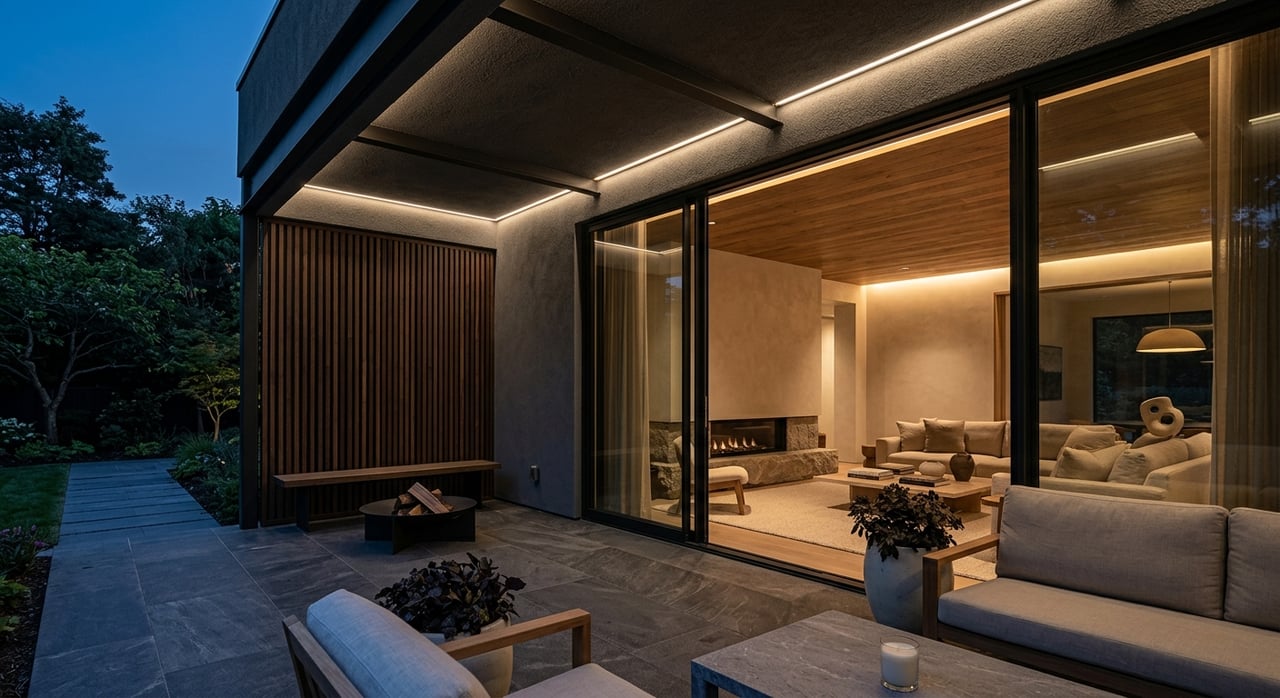
If you are weighing new construction versus resale homes in Pleasanton, you are not just choosing a house style. You are choosing between two very different buying experiences, cost structures, and long-term strategies. In a high-value market like Pleasanton, that decision can shape your monthly budget, your move-in timeline, and how much flexibility you have after closing. Let’s break down what matters most so you can move forward with more clarity.
Pleasanton Market Context
Pleasanton is a largely owner-occupied market with high home values, which makes every buying decision feel more consequential. According to the U.S. Census Bureau’s Pleasanton housing data, the owner-occupied housing unit rate is 67.0%, the median value of owner-occupied homes is $1,537,100, and median monthly owner costs with a mortgage exceed $4,000.
That context matters because small differences in price, taxes, credits, repairs, or financing terms can have a meaningful impact on your total monthly cost. In Pleasanton, the right choice is usually less about which option is “better” and more about which option fits your priorities.
New Construction in Pleasanton
New construction in Pleasanton tends to be more limited and project-based than in areas with large master-planned subdivision growth. The city reports that it has approved more than 780 new residential units since certification of its Housing Element, with current activity focused on rezonings, subdivisions, and infill-style applications rather than a broad wave of brand-new neighborhoods. You can see that direction in the city’s housing development update.
For you as a buyer, that usually means new homes may be available in more specific pockets or through select projects instead of wide-open inventory across the city. If new construction is your goal, timing and early access may matter more.
Why buyers choose new construction
Many buyers are drawn to new construction because they want a home that feels current from day one. That often includes newer layouts, updated finishes, and systems built to more recent standards.
The California Energy Commission’s 2025 Building Energy Efficiency Standards apply to permit applications submitted on or after January 1, 2026. The state says the code expands heat pump use in newly constructed residential buildings, encourages electric-readiness, and strengthens ventilation standards. In practical terms, that can mean newer infrastructure and more efficient systems at move-in.
Potential tradeoffs with new homes
New construction can be appealing, but it also comes with its own planning needs. Inventory may be limited, lot locations may vary, and completion timelines may shift depending on the stage of construction.
You may also face builder deposits, lender decisions, and closing schedules that look different from a standard resale transaction. That is why it helps to review the full cost picture early, not just the advertised base price.
Resale Homes in Pleasanton
Resale homes often give you something new construction may not: a completed home in an established setting. If you want to walk the actual property, evaluate the street and surroundings as they are today, and move on a more traditional timeline, resale may be a better fit.
In Pleasanton, resale inventory may also provide more opportunities simply because new construction is more limited and site-specific. For many buyers, that broader selection creates more flexibility on location, lot characteristics, and move-in timing.
Why buyers choose resale homes
A resale home can make sense if you value immediacy and the ability to assess the property as-is. You are usually seeing the mature landscaping, the home’s current condition, and the built environment around it at the time you make your offer.
Resale may also offer future customization potential. If your plan includes adding value over time, Pleasanton provides an interesting option through accessory dwelling units. The city’s ADU program page states that some detached ADU plans are preapproved, with an expedited 7-business-day review and a flat $1,000 plan review fee for those plans.
Potential tradeoffs with resale
The biggest difference with resale is condition. Older homes may come with deferred maintenance, aging systems, or repairs that are not obvious during a quick showing.
That does not mean resale is risky by default. It means your due diligence becomes especially important, and your inspection strategy should be taken seriously.
Inspections Matter for Both
One common mistake is assuming that resale homes need inspections while new homes do not. In reality, both deserve careful review.
The Consumer Financial Protection Bureau’s home inspection guidance advises buyers to schedule an independent home inspection as soon as possible and notes that serious findings can affect whether you proceed. That is especially important with resale homes, where age-related wear or hidden issues may surface, but it also matters with new construction because new does not automatically mean problem-free.
What inspections can reveal
For resale homes, inspections may uncover:
- Roof or drainage concerns
- Aging HVAC, plumbing, or electrical components
- Signs of deferred maintenance
- Safety or moisture-related issues
For new construction, inspections may still identify:
- Incomplete finish work
- Installation defects
- System issues that need correction before closing
- Items that should be addressed in a final walkthrough or punch list
Financing Differences to Know
Financing is another area where new construction and resale can diverge in a meaningful way. A standard resale purchase often follows a familiar mortgage path, while new construction may involve more moving parts.
The CFPB’s TRID guidance for construction lending explains that most consumer mortgage loans used to finance home construction are covered by the rule, including construction-only and construction-permanent loans. It also notes that new-construction transactions may use revised disclosures when settlement is expected more than 60 days after the original Loan Estimate.
Freddie Mac also offers construction-to-permanent options, including one-time-close and two-time-close structures, which can be relevant depending on the purchase setup referenced by the CFPB guidance. For you, the key point is simple: new-construction financing may require more planning and more lender coordination than a typical resale transaction.
Compare the full loan package
The CFPB also makes an important point for buyers considering homes not yet built. On its home shopping guidance page, it notes that builders may ask for an upfront builder deposit, buyers do not have to use the builder’s affiliated lender, and shoppers can compare Loan Estimates from multiple lenders.
That matters because lender or seller credits can come with tradeoffs. A credit may help with upfront cash needs, but it can also be paired with a higher rate or a higher loan amount. Looking only at the headline rate can cause you to miss the bigger financial picture.
Property Taxes and Supplemental Assessments
In Pleasanton, property taxes deserve close attention whether you buy new or resale, but new construction can create extra variables. Alameda County applies the 1% general levy plus applicable voter-approved bond rates, and the county also enrolls fixed charges and special assessments on the tax roll, according to the Alameda County property tax information page.
The county assessor also explains that newly constructed property is subject to supplemental assessment, with the newly constructed portion reappraised at fair market value when construction is completed. For you, that means a new home may carry additional tax considerations beyond the initial estimate, so it is worth modeling those costs before you close.
How to Decide Which Fits You
If you are choosing between new construction and resale in Pleasanton, start with your lifestyle and financial priorities. The answer often becomes clearer when you focus on what matters most to you over the next three to five years.
Here is a simple way to think about it:
New construction may fit you if you want
- More current finishes and design
- Newer systems and energy-forward construction
- Less immediate repair or upgrade planning
- A home tied to a specific new project opportunity
Resale may fit you if you want
- A home that is already complete
- More choice in established areas of Pleasanton
- A more traditional purchase timeline
- Flexibility to renovate or explore ADU potential later
A Pleasanton-Specific Strategy
Because Pleasanton’s new-construction pipeline appears to be more project-driven than subdivision-heavy, your search strategy matters. If you are focused on new construction, you may need to move quickly when suitable opportunities appear and review builder terms carefully.
If you are leaning toward resale, your edge often comes from strong inspections, careful financing review, and a clear plan for future improvements. In both cases, success usually comes down to understanding the total cost of ownership, not just the purchase price.
In a market where home values are high and inventory types can differ widely, a well-structured approach protects both your lifestyle and your long-term financial goals. If you want a clear strategy for buying in Pleasanton, O'Lanre Owoborode can help you evaluate inventory, financing options, and the tradeoffs between new construction and resale with the level of care this market deserves.
FAQs
Is new construction easier to buy than a resale home in Pleasanton?
- Not always. New construction can involve builder deposits, project timelines, and more complex financing or disclosure timing than a standard resale purchase.
Are resale homes more common than new construction in Pleasanton?
- In general, yes. Pleasanton’s housing pipeline appears to be more project-based and site-specific, which suggests new-construction opportunities may be more limited than resale inventory.
Do you still need an inspection for a new construction home in Pleasanton?
- Yes. Independent inspections are still important because new homes can have installation issues, incomplete items, or defects that should be addressed before closing.
Can a resale home in Pleasanton offer future flexibility?
- Yes. A resale property may give you room to renovate over time, and Pleasanton also offers preapproved detached ADU plans with expedited review for certain plans.
Are property taxes different for new construction homes in Alameda County?
- They can be. Newly constructed property may be subject to supplemental assessment, and total taxes can also include the 1% general levy, bond rates, fixed charges, and special assessments.