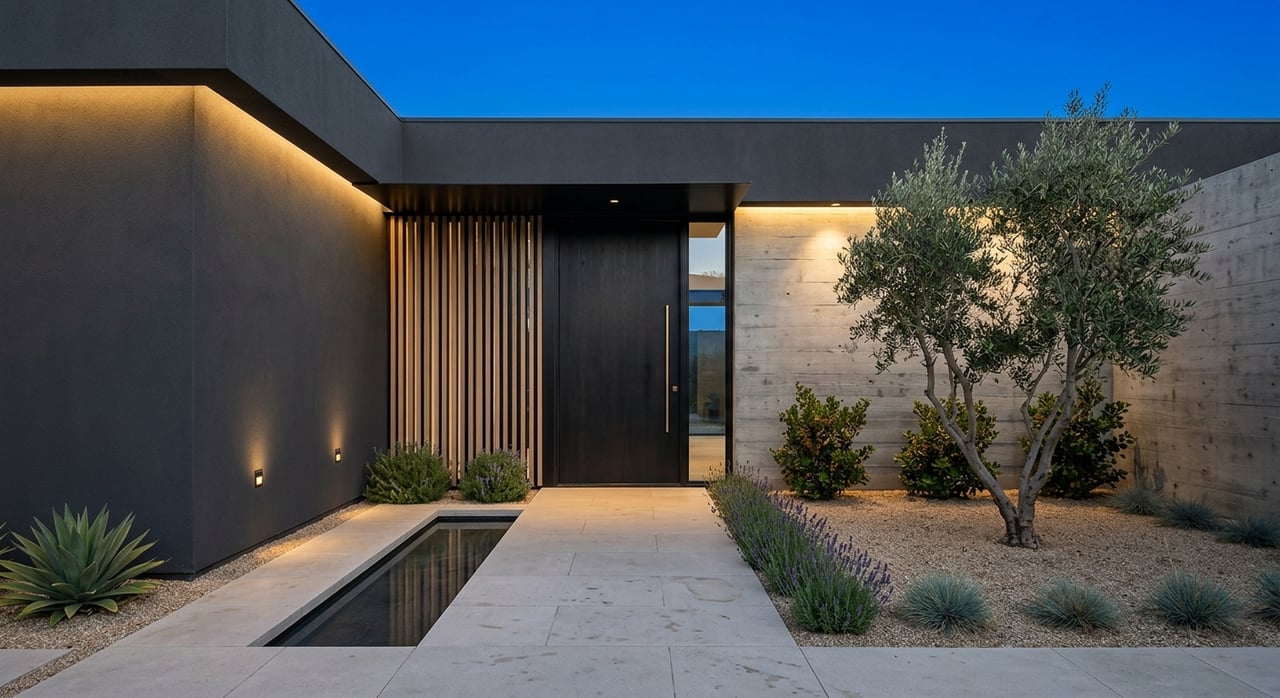
Wondering whether you should build or buy in Napa Valley? It is a smart question, especially if you are thinking about a second home, an investment property, or a long-term retreat in one of Northern California’s most sought-after markets. The right path depends on your timeline, your tolerance for complexity, and how much customization matters to you. Let’s break down what you need to know before you decide.
Build vs. buy in Napa Valley
At a high level, buying an existing home is usually the faster and simpler option in Napa Valley. Building offers more control over design, but it also brings more steps, more approvals, and more uncertainty.
That difference matters because Napa Valley is not one single permitting environment. In practice, your experience can change depending on whether the property is in the City of Napa or in unincorporated Napa County, where planning, land use, and permit rules follow different local processes.
Why buying is often faster
If your goal is to enjoy the property sooner, buying an existing home will usually make more sense. A resale purchase does not typically require the same plan sets, utility coordination, and multi-agency review that come with new construction.
That can be especially appealing if you want a weekend property, an income-producing asset, or a Napa foothold without managing a full construction project. You can focus more on the home’s condition, location, and lifestyle fit instead of navigating a long development timeline.
Napa’s resale market still offers opportunity
Napa remains an active purchase market. Redfin reported a median sale price of $780,000 in March 2026, with homes spending a median of 62 days on market.
For many buyers, that means the resale side deserves serious consideration. If the right home already exists, buying can offer a more direct path to ownership than starting from raw land or a custom-build concept.
Buying still requires local due diligence
Even if you buy instead of build, Napa-specific diligence still matters. In Napa County, a compliant defensible-space inspection report is required when a property in a high or very high fire hazard severity zone is sold.
The county assessor also notes that new construction and unpermitted work can affect reassessment and may create disclosure or safety issues. In practical terms, that means you should closely review permits, property history, and fire-related requirements before you close.
Why building is more complex
Building in Napa Valley can be rewarding, but it is rarely simple. If you want a home designed around your exact vision, that flexibility comes with more moving parts and more timing risk.
In the City of Napa, a complete residential permit submittal must include multiple plan sets and, when plans are professionally prepared, stamped drawings. The city also states that incomplete packages will not be accepted for review, and complete submittals receive first-review comments in about 21 business days.
More approvals can affect your timeline
Building often involves more than just architectural plans. Depending on the site and scope, a project may require approvals or documentation related to:
- Water connection
- Sanitation
- Public works encroachment or grading
- Air-quality documentation
- Soils or geotechnical review
- Floodplain compliance
- Erosion control
- Fire-sprinkler materials, where applicable
Outside the city limits, Napa County’s permit center may also handle applications involving wells, sewage systems, grading, and floodplain issues. The county’s environmental health division reviews wells and onsite wastewater systems, which adds another important layer for rural or custom sites.
Utilities can be a deciding factor
Utility access is one of the most overlooked parts of a build decision. In the City of Napa, even an existing house or a vacant lot may require utility review for service eligibility, capacity fees, service-pipe installation, meter sets, and scheduling.
Outside city limits, an outside water-service application and filing fee may apply. That means a parcel that looks attractive on paper may still require more time, more coordination, and more cost than expected.
City Napa vs. Napa County matters
One of the biggest factors in a build-versus-buy decision is jurisdiction. A property inside the City of Napa follows city review and permit processes, while a property in unincorporated Napa County follows county departments and county land-use rules.
That distinction matters because Napa County places strong emphasis on orderly growth, preservation of agricultural heritage, and protection of the natural environment. The county’s planning framework also aims to keep new growth within existing urban areas where feasible.
Growth rules can shape build potential
In unincorporated Napa County, the Growth Management System allocates annual new residential building permits. According to the county’s general plan, that allocation applies to new residential units, but it does not affect rebuilding, remodeling, renovating, or enlarging existing units.
That is an important distinction. If you are comparing vacant land with an existing property that could be remodeled or expanded, the remodel path may be much more straightforward than building a brand-new residence from scratch.
Fire and tax issues to review early
In Napa Valley, location-specific due diligence is critical before you buy land or commit to a build. Napa County’s 2025 fire-hazard maps and defensible-space rules add another layer for properties in fire-prone areas.
You do not want to discover late in the process that a site has constraints affecting design, access, clearance requirements, or resale disclosures. Reviewing fire-related conditions early can help you avoid expensive surprises.
Building can trigger reassessment
Taxes are another major point to discuss before you build. Napa County’s assessor states that new construction can trigger reassessment under Proposition 13.
That does not mean building is the wrong choice. It does mean you should bring a tax professional into the conversation early so you understand how a custom project may affect your long-term costs.
Who should buy an existing home
Buying an existing home is often the better fit if you value speed, predictability, and easier coordination. It is usually the stronger path if you want to start using the property soon or if you do not want to manage a multi-layer construction process.
This route may be a good match if you are:
- Looking for a second home you can enjoy right away
- Buying with an investment timeline in mind
- Prioritizing simpler execution over full design control
- Comfortable updating or personalizing a home over time
For many buyers, this path balances lifestyle and efficiency. You can still be strategic without taking on the uncertainty of permits, consultants, and utility approvals.
Who should consider building
Building tends to fit buyers with a longer time horizon and a very specific vision. If your goal is a one-of-a-kind retreat, a legacy property, or a site-tailored home, the extra effort may be worth it.
This path may make sense if you are:
- Seeking high design control
- Comfortable with longer timelines
- Prepared for permitting and utility coordination
- Willing to assemble a strong professional team
- Focused on a custom property for long-term use
In Napa, that team often matters as much as the property itself. Based on local city and county requirements, a land or custom-build purchase may call for coordination among an agent, lender, architect or designer, contractor, civil engineer, inspector, land-use attorney, and CPA or tax advisor.
A simple way to decide
If you are choosing between building and buying in Napa Valley, ask yourself three practical questions first.
How soon do you want to use the property?
If the answer is soon, buying is usually the better choice. A resale home can help you avoid much of the approval and construction timeline that comes with a custom project.
How important is full customization?
If your dream depends on a specific layout, finish level, or site design, building may be worth the added complexity. If not, an existing home may get you most of what you want with far less friction.
How much complexity can you absorb?
Building in Napa can involve planning, utilities, environmental review, fire considerations, and tax questions. If you prefer a more defined process, buying will usually feel more manageable.
Final thoughts on building or buying in Napa
There is no one-size-fits-all answer in Napa Valley. Buying is usually the faster, cleaner path, especially if you want immediate use and fewer moving parts. Building can create something deeply personal, but it works best when you have patience, a clear vision, and the right advisors around you.
If you are weighing both options, the smartest first step is to evaluate the property through the lens of jurisdiction, timeline, utility access, fire-zone due diligence, and long-term financial impact. That is where strategy matters most.
If you want tailored guidance on a Napa purchase, land acquisition, or custom-home strategy, connect with O'Lanre Owoborode for a thoughtful, advisor-led approach.
FAQs
Is buying a house in Napa faster than building one?
- Yes. In most cases, buying an existing Napa home is faster because building usually requires plan review, permits, utility coordination, and multiple local approvals.
Does it matter if a Napa property is in the city or the county?
- Yes. Properties in the City of Napa follow city review processes, while properties in unincorporated Napa County follow county departments, planning rules, and permit systems.
What fire-related due diligence matters for Napa property purchases?
- Defensible-space documentation and local fire-hazard-zone mapping are important in Napa, especially for properties in high or very high fire hazard severity zones.
Can building a home in Napa affect property taxes?
- Yes. Napa County states that new construction can trigger reassessment under Proposition 13, so it is wise to speak with a tax professional early.
Is remodeling in Napa County treated the same as building a new home?
- No. Napa County’s Growth Management System applies to new residential units, while rebuilding, remodeling, renovating, or enlarging existing units is treated differently under the county framework.
Who is a good candidate for building in Napa Valley?
- Buyers with a longer timeline, a strong design vision, and comfort with permitting, utilities, fire review, and tax planning are usually better positioned for the build path.