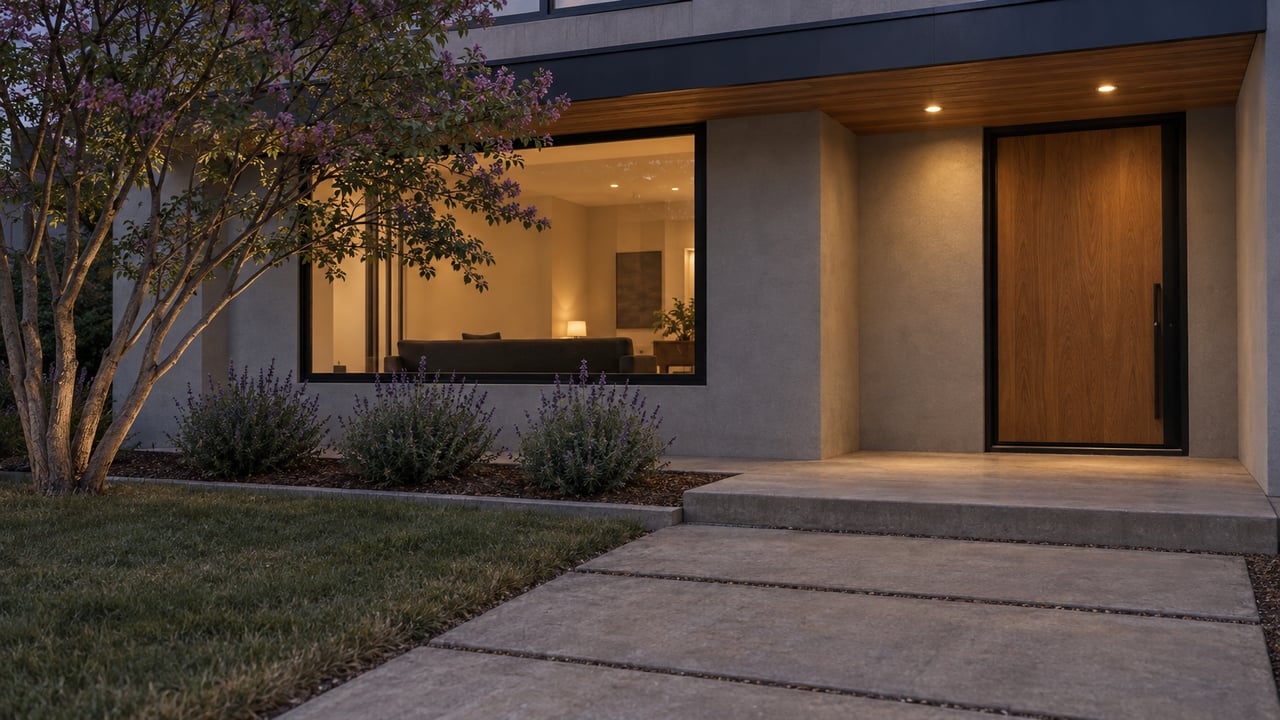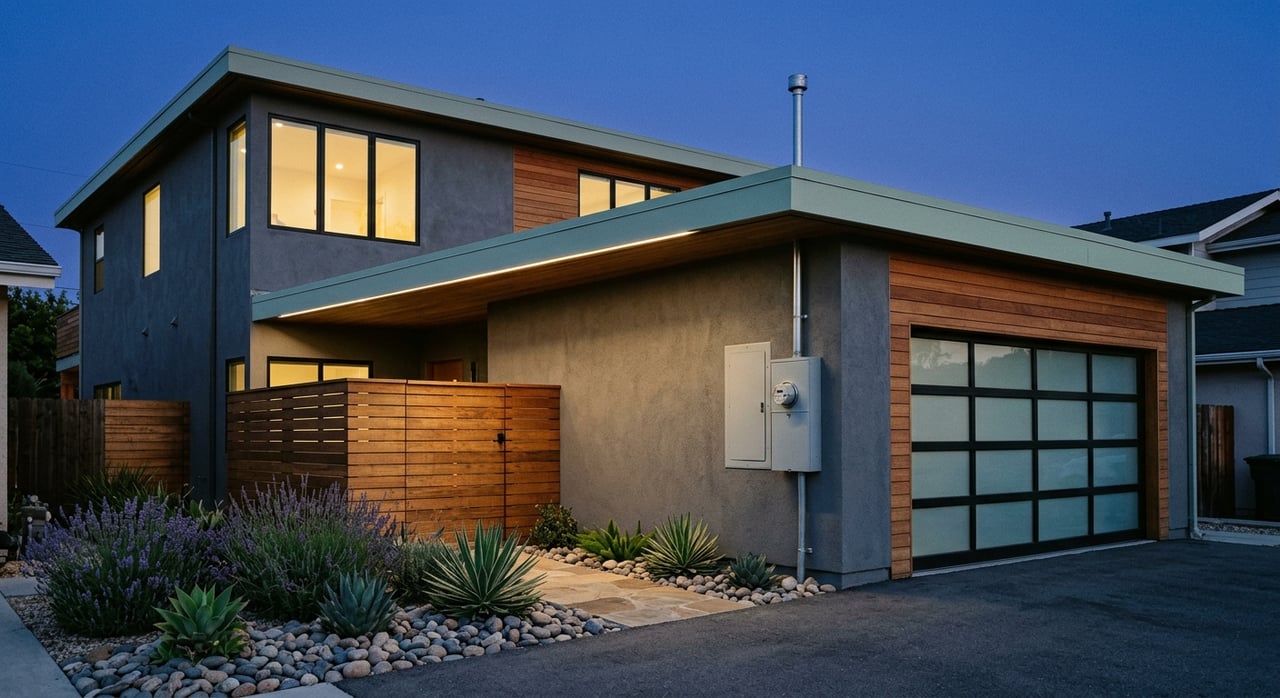
Thinking about a solar-ready home in Tracy? It is an appealing label, but it does not always mean solar panels are already installed or that the home is automatically ideal for solar from day one. If you are buying with long-term savings, energy flexibility, and future resale in mind, it helps to know what that label really covers. Here’s what you should look for before you make an offer.
What Solar-Ready Means
In California, solar-ready is a design status, not proof of an active solar system. According to the California Energy Commission’s solar guidance, solar-ready provisions can apply to certain newly built single-family homes in subdivisions of 10 or more homes when solar is not otherwise required.
For buyers, that means the builder may have planned the home to make future solar installation easier. It does not mean panels are already on the roof, that a system has been sized for your energy use, or that the roof will automatically support the most efficient layout.
What California Code May Include
For single-family homes, California’s mandatory measures can include several features that support future solar installation. The 2025 Residential Mandatory Measures Summary points to these common elements:
- A reserved solar zone on the roof
- A pathway for conduit from the roof area to the electrical interconnection point
- A main electrical service panel with at least a 200-amp busbar
- Space for a future double-pole breaker
- Solar-ready documents for the occupant
These details matter because they can reduce installation friction later. They can also give you a clearer picture of whether the home was planned with future energy upgrades in mind.
Why Roof Shape Still Matters
A solar-ready label is helpful, but the roof itself still does a lot of the work. The U.S. Department of Energy says solar panels usually perform best on unshaded, south-facing roofs with a slope between 15 and 40 degrees, although southeast-to-southwest orientations can still work well in many cases. You can review that guidance in the DOE solar energy guide for homebuilders.
In real terms, you should pay attention to the roof plane that gets the most sun, along with anything that creates shade. Chimneys, overhangs, nearby roof peaks, and trees can all affect production, even if the home looks “solar-ready” on paper.
Usable Roof Area Is Not the Same as Roof Size
One of the biggest buyer mistakes is assuming a large roof automatically means plenty of room for panels. The California Energy Commission uses the concept of Solar Access Roof Area (SARA), which highlights a simple truth: not every section of the roof is equally usable for solar.
That is especially important in newer subdivisions where rooflines can be more complex. A roof may have enough square footage overall, but not enough continuous, unshaded area to support the system size you want.
California fire-code rules can also reduce the amount of roof space available for panels. The CEC’s rooftop solar chapter explains that rooftop arrays may need access pathways and ridge setbacks, which means some visible roof area may need to remain clear for safety and code compliance.
Check the Roof’s Age Before You Plan Solar
If you are buying a resale home in Tracy, roof age should be part of your review. The DOE recommends checking how old the roof is and whether replacement may be needed soon, since it can be more efficient to coordinate roof work before adding solar. You can find that guidance in the DOE homeowner’s guide to going solar.
If the seller is not sure about the roof’s age, ask for permit history or inspection records if available. A newer roof can make future solar planning easier, while an older roof may change your timeline and budget.
Don’t Overlook the Electrical Panel
A true solar-ready conversation is not just about the roof. It is also about what is happening inside the garage or utility area, especially at the main electrical panel.
California’s current mandatory measures for solar-ready homes include a panel setup that can better support future installation. If the panel has the required capacity and space for a future breaker, you may have a smoother path when you are ready to add equipment.
It is also worth noting that California’s 2025 Energy Code support information includes electric-ready requirements for some homes with gas or propane appliances. That is not the same as solar-ready, but it can signal broader electrical flexibility for future upgrades.
How Tracy’s Utility Setup Affects Solar
In Tracy, understanding the utility structure is just as important as understanding the house. Ava Community Energy’s Tracy service page explains that Ava serves Tracy customers, while PG&E continues to deliver the electricity.
That split matters because a future solar system fits into both generation and delivery rules, not a single all-in-one utility model. According to Ava’s San Joaquin County solar information, customers with solar sell surplus generation to Ava and buy power from Ava when their system does not cover all usage.
For buyers, the takeaway is simple: the value of a future solar system depends on more than the roof. It also depends on how local billing works and how your household uses power during the day and evening.
Why Timing of Energy Use Matters
PG&E’s Solar Billing Plan page says residential solar customers receive monthly statements and an annual True-Up statement. Credits and charges depend on when energy is sent to the grid and when energy is drawn back from it.
PG&E also notes that residential customers are automatically enrolled in the Electric Home time-of-use plan, with potential savings from lowering usage between 4 p.m. and 9 p.m. In many cases, homeowners save the most when they use the electricity they produce on-site instead of sending it out and buying it back later.
This is why two similar homes can see different results from the same solar system. Your lifestyle, schedule, and evening power use all influence the outcome.
What About Batteries and Long-Term Value?
For many buyers, solar is really part of a broader energy strategy. The DOE notes that solar can support bill control, lower emissions, and better use of daytime power, while battery storage can help homeowners use that power later in the day or during outages. You can review that overview in the DOE summary on solar benefits.
That does not mean every buyer needs a battery on day one. It does mean that when you evaluate a solar-ready home, you may want to think beyond panels alone and consider whether the home’s layout, panel capacity, and long-term plans support future storage as well.
A Quick Note on Incentives
If you are budgeting for future installation, be careful with outdated solar advice. The IRS Residential Clean Energy Credit page says the 30% credit applied only to qualifying property installed through December 31, 2025, and is not available after that date.
That means buyers should not assume a federal credit is currently available unless a newer law or incentive has been verified. Before making financial decisions, it is smart to confirm current programs with qualified tax and financial professionals.
Smart Questions to Ask Before You Buy
When you are touring a solar-ready home in Tracy, these questions can help you move from a marketing label to a practical decision:
- Which roof plane gets the most sun?
- Are there trees, chimneys, overhangs, or roof peaks that may reduce production?
- How old is the roof, and is replacement likely in the near future?
- Are there builder documents or permit records showing the reserved solar zone, conduit path, and panel capacity?
- Does the main electrical panel have room for future solar equipment or other upgrades?
- If you install solar later, how will billing work with Ava and PG&E?
- Which rate plan and true-up rules would apply?
These are the kinds of questions that protect both your budget and your expectations.
The Bottom Line for Tracy Buyers
A solar-ready home in Tracy can be a smart long-term buy, especially if you want more flexibility over future energy costs. But the best opportunities are usually the homes where the roof, paperwork, and electrical setup all support an easy path forward.
Before you move ahead, it is wise to verify roof condition, shading, utility billing structure, and financing options with licensed solar and financial professionals. If you want help evaluating how a home’s energy features fit your purchase strategy, connect with O'Lanre Owoborode for guidance that keeps both lifestyle goals and long-term value in focus.
FAQs
What does solar-ready mean for a home in Tracy?
- It generally means the home was designed to make future solar installation easier, but it does not mean solar panels are already installed.
What should buyers inspect on a Tracy solar-ready roof?
- You should look at roof orientation, shading, usable roof area, roof age, and whether code-related setbacks may limit panel placement.
How does utility billing work for future solar in Tracy?
- Tracy customers are served by Ava Community Energy for generation while PG&E delivers power, so future solar billing depends on both the generation setup and grid charges.
Does a solar-ready home in Tracy guarantee lower electric bills?
- No. Savings depend on the roof, system design, household energy use, and how local billing and time-of-use rules apply.
Should buyers ask for documents on a Tracy solar-ready home?
- Yes. Ask for builder or permit documents that show the solar zone, conduit path, panel capacity, and any other solar-ready features.
Are federal solar tax credits still available for Tracy buyers?
- Based on current IRS guidance in the research provided, the Residential Clean Energy Credit is not available after December 31, 2025, unless a newer law changes that.